
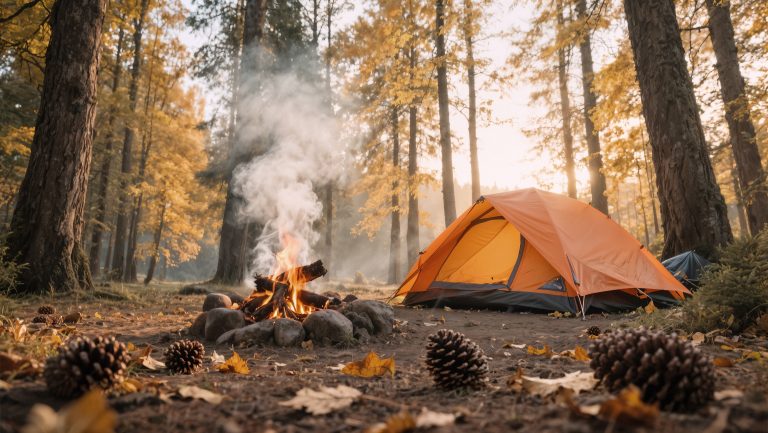
Autumn Forest Camping: Tips for a Perfect Fall Adventure
Autumn is one of the most beautiful seasons for outdoor adventures. Golden leaves cover the forest floor, cool breezes move through the trees, and the warm glow of a campfire creates the perfect atmosphere for a peaceful getaway. Autumn forest camping is an excellent way to enjoy nature, escape everyday stress, and create unforgettable outdoor memories.
Whether you are a beginner or an experienced outdoor enthusiast, planning ahead can make your fall camping trip safer, warmer, and more enjoyable. In this guide, we will explore essential camping gear, campsite preparation, campfire safety, and practical tips for a successful autumn adventure.
Why Choose Autumn Forest Camping?
Fall camping offers a unique experience that is different from camping during summer. The changing colors of the trees, quieter campsites, and refreshing weather make the season especially attractive to nature lovers.
Here are some reasons to plan an autumn camping trip:
-
Beautiful fall scenery: Enjoy golden, orange, and brown leaves throughout the forest.
-
Cooler temperatures: Mild daytime weather can make hiking and exploring more comfortable.
-
A peaceful atmosphere: Some camping areas become less crowded after the busy summer season.
-
Cozy campfire evenings: Spend time outdoors sharing stories, preparing meals, and relaxing beside a safe campfire.
-
Wildlife watching: Observe local wildlife from a safe distance while respecting its natural habitat.
Before leaving home, check the local weather forecast and campground regulations. Autumn temperatures can drop quickly after sunset, even when the afternoon feels warm.
1. Choose the Right Campsite
Choosing a suitable campsite is one of the most important parts of a successful fall camping trip. Look for an established campground or a designated camping area that allows overnight stays.
When selecting your location, consider the following factors:
-
Ground conditions: Choose a level, well-drained surface rather than a low area where rainwater may collect.
-
Natural hazards: Avoid dead trees, unstable branches, and areas exposed to falling limbs.
-
Wind protection: A sheltered location can help make cold nights more comfortable.
-
Access to facilities: Check the availability of drinking water, restrooms, parking, and emergency assistance.
-
Fire restrictions: Confirm whether campfires are permitted before planning to cook over an open flame.
Arrive early enough to set up your tent before sunset. Good visibility makes it easier to inspect the ground, organize your gear, and prepare your sleeping area.
2. Bring a Weather-Appropriate Camping Tent
Your tent provides shelter from wind, rain, and chilly autumn nights. Choose a tent that suits the expected weather, the number of campers, and the conditions of your destination.
A quality three-season tent can work well in many mild fall conditions, provided it is suitable for the forecast. For colder or more severe weather, you may need a more specialized shelter.
Keep these tent tips in mind:
-
Check the tent seams, poles, zippers, and rainfly before your trip.
-
Use a suitable groundsheet or footprint to protect the tent floor.
-
Secure all stakes and guylines properly.
-
Keep ventilation openings clear to reduce condensation.
-
Avoid pitching your tent directly beside a fire.
Practice setting up your tent at home before your trip. This simple step can save time and frustration when daylight is fading.
3. Pack Warm Sleeping Gear and Extra Clothing
Staying warm is essential for comfortable autumn forest camping. Temperatures can change significantly between daytime and nighttime, so prepare for colder conditions than you expect.
Your packing list should include:
-
A sleeping bag rated for the expected overnight temperatures.
-
An insulated sleeping pad to reduce heat loss to the ground.
-
Thermal base layers and warm socks.
-
A fleece jacket or insulated outer layer.
-
A waterproof and wind-resistant jacket.
-
A warm hat and suitable gloves.
-
Dry clothing stored in a waterproof bag.
Check the sleeping bag’s temperature rating carefully and choose gear appropriate for the lowest expected temperature. A sleeping pad with sufficient insulation is just as important as a warm sleeping bag.
Avoid sleeping in damp clothing. Change into dry layers before bed and keep spare clothes protected from rain and moisture.
4. Prepare a Safe and Cozy Campfire
A campfire can make a fall camping evening feel special. It provides warmth and a place to gather, but it also requires careful handling.
Before lighting a fire, check local fire regulations, seasonal restrictions, and campground rules. Use an established fire ring where permitted, and never light a fire during a fire ban.
Follow these campfire safety practices:
-
Keep the fire small and manageable.
-
Clear the immediate area of leaves, dry grass, and other combustible material, following local rules.
-
Keep water and appropriate extinguishing equipment nearby.
-
Never leave a fire unattended.
-
Keep children and pets at a safe distance.
-
Extinguish the fire completely before leaving or going to sleep.
Dry autumn leaves and fallen branches can ignite quickly. If conditions are windy or unusually dry, skip the campfire and use a permitted camping stove or another safe alternative.
5. Plan Simple and Delicious Camping Meals
Good food makes an outdoor adventure even more enjoyable. During cool weather, warm meals and hot drinks can be especially comforting.
Consider adding these easy options to your camping menu:
-
Oatmeal with nuts and dried fruit for breakfast.
-
Soup or chili for a warming evening meal.
-
Sandwiches or wraps for lunch.
-
Trail mix, fruit, and energy bars for snacks.
-
Hot chocolate, tea, or coffee for a relaxing break.
Pack food in sealed containers and store it according to local wildlife regulations. Use approved food-storage lockers where available, and never leave food or rubbish around your tent.
Bring enough drinking water for the entire trip, or carry a reliable water-treatment method if you plan to collect water from natural sources.
6. Explore the Forest Responsibly
Autumn forests offer excellent opportunities for hiking, photography, birdwatching, and simply enjoying the quiet surroundings.
Make your outdoor exploration safer by following marked trails and checking trail conditions before you leave. Carry a map or an offline navigation option, a charged phone, a flashlight, and a basic first-aid kit.
Remember these responsible camping principles:
-
Stay on established trails whenever possible.
-
Observe animals from a distance.
-
Do not feed wildlife.
-
Pack out all rubbish.
-
Leave plants, rocks, and natural objects where you find them.
-
Respect quiet hours and other campers.
-
Follow the local Leave No Trace guidance.
If you are exploring an unfamiliar area, tell someone your route and expected return time. Avoid hiking beyond your ability or continuing after daylight begins to fade.
7. Essential Autumn Camping Checklist
Before leaving home, review this essential fall camping checklist.
Shelter and sleeping gear
-
Tent, poles, stakes, and rainfly
-
Sleeping bag suitable for the forecast
-
Insulated sleeping pad
-
Groundsheet and extra tarp if appropriate
Clothing
-
Thermal base layers
-
Warm jacket and waterproof outerwear
-
Extra socks and dry clothing
-
Hat and gloves
-
Comfortable hiking boots
Cooking and food
-
Camping stove and suitable fuel
-
Cooking pot, utensils, and reusable plates
-
Drinking water and water-treatment supplies
-
Easy-to-prepare meals and snacks
-
Food-storage containers
Safety and navigation
-
First-aid kit
-
Headlamp and spare batteries
-
Map or offline navigation
-
Charged phone and power bank
-
Whistle and emergency supplies
-
Weather forecast and campground information
Personal items
-
Toiletries and personal medication
-
Insect protection when needed
-
Sunscreen
-
Rubbish bags
-
Identification and any required permits
Adjust this checklist to your destination, trip length, forecast, and available facilities.
8. Protect Yourself From Changing Autumn Weather
Fall weather can be unpredictable. Rain, strong winds, and sudden temperature drops may turn a comfortable trip into a difficult experience.
Check the forecast before departure and continue monitoring conditions when possible. Pack waterproof layers, protect electronic devices, and keep important items in dry bags.
If severe weather is expected, postpone the trip or choose a safer location. During thunderstorms, avoid exposed ridges, isolated tall trees, and other hazardous areas. If conditions become dangerous, follow campground staff or local emergency guidance.
Good preparation helps you enjoy nature without taking unnecessary risks.
Final Thoughts
Autumn forest camping is a wonderful way to experience colorful landscapes, cool air, peaceful surroundings, and memorable evenings outdoors. With the right tent, warm sleeping gear, simple meals, and careful campsite planning, you can enjoy the season while staying comfortable and prepared.
Remember that the best camping trip is not only about beautiful scenery. It is also about respecting nature, protecting wildlife, and making responsible choices throughout your adventure.
Prepare your gear, check the weather, choose a suitable campsite, and make your next fall camping trip an experience worth remembering.
Ready for your next outdoor adventure? Explore more camping tips, gear guides, and outdoor inspiration with Trekvana.
Hi, this is a comment.
To get started with moderating, editing, and deleting comments, please visit the Comments screen in the dashboard.
Commenter avatars come from Gravatar.